
How To Help Campers Find Your Park
If you own or manage an RV park, you know travelers rely heavily on online searches to find their next camping destination. In fact, many are looking for a spot right now that’s close, convenient, and well-reviewed. With an optimized local SEO strategy, you can make sure your RV park stands out to these potential guests. This guide covers actionable steps to improve your Google Business Profile, manage and leverage guest reviews, and boost your park’s visibility in local searches.
It won’t matter how great your website is if people aren’t finding it!
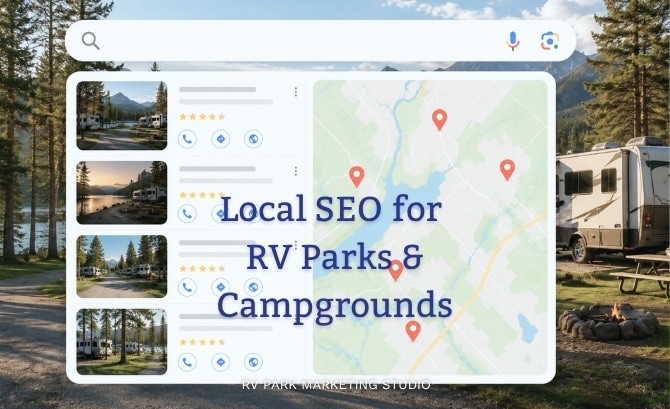
Why Is Local SEO Vital for RV Parks?
Local SEO is essential for reaching travelers who search for terms like “RV parks near me” or “campgrounds in [your location].” Appearing in these local searches can increase your visibility and build trust among guests actively looking for a place to stay. For RV parks, local SEO drives an invaluable share of “high intent” traffic – visitors who are not only searching for local accommodations but are ready to book if they find the right place.
Having a strong local presence online isn’t just beneficial; it’s crucial. Google prioritizes relevant, high-quality local listings, meaning that parks with optimized local SEO have a competitive edge. Travelers are more likely to trust and choose a park that has a robust online presence, complete with verified listings, fresh reviews, and current updates. With local SEO, you can reduce reliance on paid ads and still consistently attract organic traffic, building visibility that’s cost-effective and sustainable.
Local SEO Benefits for RV Parks
- Increased Traffic: Local SEO attracts more visitors from nearby areas who are actively searching for a place to stay. With optimized local search presence, your park will appear to campers who are ready to book, leading to a higher volume of quality website visits and foot traffic.
- Improved Brand Trust and Credibility: Guests are more likely to choose a park that shows up prominently in local search results and has a solid reputation. Well-optimized listings, positive reviews, and updated information build trust and credibility, reassuring travelers that your park is both reputable and reliable.
- Higher Conversion Potential: Local SEO captures high-intent searches – travelers who are not just browsing but are often on the verge of making a decision. When your park ranks well for “RV parks near me” or similar searches, you’re positioned as the go-to option, increasing the likelihood of direct bookings.
- Enhanced Visibility Across Multiple Channels: With consistent local SEO efforts, your park’s visibility will grow across platforms, including Google Business, Maps, and local directories. This omnipresence helps you reach a broader audience and capture interest wherever travelers are searching.
- Strengthened Community and Guest Connection: Being easily found online and highly rated creates a positive connection with your local community and past guests. Engaging reviews, guest interactions, and local-focused content make your park a trusted choice among returning visitors and referrals, creating a loyal customer base over time.
How to Improve Your Park’s Search Ranking
1. Optimize Your Google Business Profile (GBP)
Your Google Business Profile (formerly Google My Business) is the foundation of local SEO. It allows your RV park to show up in Google Maps, local search results, and the coveted “local pack” at the top of the search page.
Step-by-Step Guide to Optimizing Your GBP:
-
- Claim and Verify Your Profile: Start by claiming your business on Google if you haven’t already. Verification is crucial as it gives you full control over your park’s information and ensures guests see accurate details.
- Update Business Information Consistently: Double-check that your name, address, phone number, website, and hours of operation are accurate and match your website. Inconsistent information can hurt your search rankings.
- Use Keywords in Descriptions: Include keywords like “RV park,” “campground,” and other terms potential guests might use. Don’t overdo it, but make sure they flow naturally within the description.
- Add Engaging, High-Quality Photos: Capture your park’s best assets – scenic spots, clean facilities, unique amenities, and local attractions. Photos not only make your profile more appealing but also contribute to SEO as Google favors profiles with regular photo updates.
- Post Updates and Events Regularly: Google allows you to post updates, news, and promotions. Keep your listing fresh by adding posts about seasonal offers, local events, or new park amenities.
2. Manage Local Reviews & Engage with Guests
Reviews are a vital part of local SEO. Not only do they affect your ranking, but they also impact guest perceptions. Positive, recent reviews signal to search engines and travelers alike that your park is a trusted place to stay.
Review Management Tips:
-
- Encourage Reviews from Happy Guests: After a pleasant stay, ask guests to leave a review. Mention this in person at check-out or send a polite follow-up email. You could even offer a small incentive like a discount on their next stay.
- Respond to All Reviews Promptly: Acknowledging reviews shows that you care about feedback. Thank guests for positive reviews and address any issues raised in negative ones. Google values businesses that engage actively with reviewers.
- Showcase Reviews on Your Website and Social Media: Highlight top reviews on your website’s homepage or testimonials page, and share them on social media. This shows potential guests that others have had a great experience, building trust and encouraging bookings.
- Handle Negative Reviews with Care: A negative review isn’t the end of the world – in fact, it’s an opportunity to show professionalism. Respond with empathy, offer a solution, and, if appropriate, invite the guest to contact you directly to resolve the issue.
3. Improve Visibility with Local Citations
Local citations are mentions of your park’s name, address, and phone number (NAP) across the internet. Consistency here reinforces your credibility with Google and ensures guests can find you on a variety of platforms.
Where to List Your RV Park:
-
- RV Park Directories: Claim listings on sites like Campendium, RV Life Directory, and Campground Reviews. These are popular with RV travelers and boost your authority.
- General Directories: Sites like Yelp, Bing Places, and Yellow Pages provide additional visibility and can often rank well in search results.
- Social Media Platforms: Maintain up-to-date listings on platforms like Facebook, Instagram, and Pinterest. Even if these profiles aren’t direct citation sources, they’re places travelers go to confirm details or see recent updates.
- Check for Consistency: Make sure your NAP is consistent across every listing. Small discrepancies (e.g., using “Ave” instead of “Avenue”) can hurt SEO.
4. Local Content Creation: Keywords, Consistency, and Content Variety
A. Leverage Local Keywords in Content
Local keywords, like your park’s city, landmarks, and state, improve your park’s search relevance. Travelers searching for places near specific locations will be more likely to see your park if you’re using terms that resonate with their search intent.
Tips for Effective Keyword Use:
-
- Include Location-Based Keywords Across Platforms: Use keywords on your website, Google Business Profile, social posts, and listings. Phrases like “RV park near [attraction]” or “campground in [location]” target nearby guests and are particularly effective in local search.
- Diversify Long-Tail Keywords: Specific phrases such as “quiet camping near [city]” or “family-friendly RV parks near [landmark]” capture travelers with specific preferences.
B. Multi-Channel Posting for Maximum Engagement
Active posting across multiple channels helps keep your park top of mind for potential guests and ensures ongoing engagement.
-
- Google Business Profile: Post about events, updates, or new amenities.
- Social Media (Facebook, Instagram): Use platforms to showcase photos, videos, or event highlights.
- Local Directories: Update frequently on platforms like Yelp, TripAdvisor, and other travel sites.
C. Image SEO Best Practices
SEO-friendly images help your park rank higher in image searches and add visual appeal. Use descriptive file names and Alt Text with local keywords to reinforce your park’s location and unique features.
D. Content Variety
A blend of content types increases engagement and boosts SEO.
-
- Blog Posts on Local Attractions: Publish in-depth posts on nearby attractions, seasonal events, or activities.
- Guest Testimonials: Feature guest reviews on social media and the website to build credibility.
- Videos: Short clips and reels of events, amenities, or scenic views engage users and boost social media visibility.
- Local Guides: Provide downloadable guides with local highlights.
5. Optimize for Mobile Users
A large percentage of RV travelers search for accommodations on their mobile devices. This means your website and listings need to be optimized for mobile viewing, ensuring a seamless experience for travelers on the go.
Mobile Optimization Checklist:
-
- Fast Load Times: Websites should load in under three seconds on mobile. Compress images, enable browser caching, and use a responsive design to speed up load times.
- Click-to-Call Buttons: Make it easy for guests to contact you by including tap-to-call functionality on your website and Google Business Profile.
- Map Integration: Travelers rely on GPS, so include easy-to-use maps and directions to your location.
- Simple Navigation: Ensure visitors can quickly find information on rates, amenities, and booking options. The fewer clicks it takes, the better.
6. Leverage Local Content and Location-Specific Pages
Creating content about local attractions, nearby dining, and seasonal events makes your park more visible to those researching a specific area. This type of content helps you rank for long-tail keywords that relate to your park’s location.
Ideas for Local Content:
-
- Blog Posts on Local Attractions: Write about nearby hiking trails, fishing spots, or historical sites that are popular with campers.
- Guest Spotlights: Feature guest stories or experiences at your park. Not only does this add personality, but it also builds a sense of community around your brand.
- Seasonal Events and Promotions: Highlight events like summer festivals, local fairs, or holiday specials. Update these posts as new events arise to keep them relevant.
- Area Guides: Create downloadable guides or itineraries for day trips or must-see spots near your park. This added value not only improves SEO but also enriches the guest experience.
7. Track Your Local SEO Progress
Once your local SEO is in place, it’s essential to track performance. Regular monitoring shows which tactics are working and where adjustments may be needed.
Key Metrics to Monitor:
-
- Google Business Profile Insights: Track profile views, searches, clicks, and calls. These metrics indicate how effectively your profile attracts local guests.
- Google Analytics: Look at traffic from local sources and keyword rankings. Focus on metrics like bounce rate, time on page, and conversion rates to assess user engagement.
- Review Volume and Rating Trends: Watch your average rating and total number of reviews grow over time. A steady increase in positive reviews reflects effective guest engagement.
Ready to Transform Your Park’s Local Visibility?
Increasing local visibility for your RV park doesn’t happen overnight, but with the right local SEO strategy, it’s well within reach. Each step you take – from refining your Google Business Profile to managing guest reviews and creating relevant content – adds value, making it easier for travelers to find and trust your park.
Don’t leave your visibility to chance!
Whether you’re looking to drive more bookings, increase your online presence, or become the go-to spot for campers near and far, our team can help. At RV Park Marketing Studio, we specialize in strategies designed for RV parks, bringing years of industry experience and local SEO expertise to boost your visibility and your guest count.